Wednesday, 20 March 2019

भारत एक खोज - Episode 4 -*ये है भारत का असली इतिहास बाकि सब झूठ हैl*20 मार्च,1927 क्रांति दिवस:.March 20, 1927 Revolution Day .

भारत एक खोज - Episode 4 -*ये है भारत का असली इतिहास बाकि सब झूठ हैl*20 मार्च,1927 क्रांति दिवस:.March 20, 1927 Revolution Day .


संजय पाटील द्वारा\
नागपूर; 20 मार्च,1927 क्रांति दिवस..
.
आज ही के दिन बाबा साहब डॉ. अम्बेडकर ने करोड़ों अछूतों को पानी पीने का अधिकार दिलाया जो महाड़ जल सत्याग्रह के नाम से जाना जाता है। जिस तालाब का पानी जानवर पी सकते थे लेकिन हमारे समाज के लोग नहीं। बाबा साहब ने 20 मार्च 1927 को खुद पानी पीकर इस प्रथा को तोड़ा और बहुजनों को पानी पीने का अधिकार दिलवाया।
आज हम जो पानी पीते है उसके लिए बाबा साहब ने अपना खून बहाया था।

क्योकि जब बाबा साहब महाड तलाब पर पानी पिने गए तो ब्राह्मणों ने बाबा साहब पर ईटो से हमला कर दिया जिससे बाबा साहब बुरी तरह से घायल हो गए थे परन्तु वो वहा खड़े रहे और कहा के पानी पीना हमारा भी अधिकार है और ये अधिकार मै ले कर रहुगा।
उसके बाद बाबा साहब ने कानून पास करवाया के दलित लोग भी कुएं तलबो पर पानी पी सकते है।
पानी जो की हर इंसान की जरूरत है जिसके बिना जीवन सम्भव नही है हमे वो अधिकार भी बाबा साहब ने दिया।
इस लिए जब भी पानी पीओ तो बाबा साहब को याद किया करो क्योकि हमे पानी पिने का अधिकार बाबा साहब डॉ भीमराव अम्बेडकर ने दिया है किसी ब्रह्मा विष्णु महेश ने नही।
🙏मानवता के सच्चे मसीहा महामानव बाबा साहब को कोटि कोटि नमन🙏
।।जय जय भीम।।

March 20, 1927 Revolution Day ...
Today is the day Baba Saheb Dr. Ambedkar gave millions of untouchables the right to drink water, which is known as Mahad Jal Satyagraha. The water of the lake which could drink animals but not people of our society. Baba Saheb broke this tradition on 20th March 1927 drinking water himself and got the privilege of drinking water for the masses.
Baba Saheb had shed his blood for the water we drink today.
Because when Baba Saheb went to drink water on Mahad Talab, Brahmins attacked Baba Saheb with Eto, so that Baba Saheb had been badly injured, but he stood there and said that we have the right to drink water and take this right. Will do it
After this, the dalits of Baba Saheb passing the law can also drink water on the well.
Water which is the need of every human being without which life is not possible, we have also given that authority also Baba Saheb.
Therefore, whenever you drink water, remember Baba Saheb, because we have the right to drink water, Baba Saheb has given Dr. Bhimrao Ambedkar, no Brahma, Vishnu Mahesh has given it.

Honor the True Messiah of Honor, Honor the Father, Baba Saheb
..Jay jai bheem ..
Nirav Modi arrested in UK; court remands him in custody till March 29-ब्रिटेन में नीरव मोदी गिरफ्तार; अदालत ने उसे 29 मार्च तक हिरासत में

Nirav Modi arrested in UK; court remands him in custody till March 29-ब्रिटेन में नीरव मोदी गिरफ्तार; अदालत ने उसे 29 मार्च तक हिरासत में


BY SANJAY PATIL

लंदन, 20 मार्च (PTI) अमेरिकी अरबपति पीएनबी घोटाला मामले में मुख्य आरोपी नीरव मोदी को लंदन में गिरफ्तार कर लिया गया है, जहां बुधवार को एक अदालत ने भगोड़े डायनामेंट को 29 मार्च तक के लिए हिरासत में भेज दिया, यह कहते हुए कि उसे विश्वास है कि उसके पास पर्याप्त आधार हैं। अगर जमानत दी गई तो वह आत्मसमर्पण करने में विफल रहेगा।

मेट्रोपॉलिटन पुलिस ने एक बयान में कहा, "48 वर्षीय नीरव दीपक मोदी को होलीबोर्न में मंगलवार को भारतीय अधिकारियों की ओर से गिरफ्तार किया गया था।"

उन्हें बुधवार को वेस्टमिंस्टर मजिस्ट्रेट कोर्ट के सामने पेश किया गया, जहां उन्होंने भारत के लिए अपने प्रत्यर्पण का चुनाव लड़ा।

जिला न्यायाधीश मैरी मल्लन ने मोदी को जमानत देने से इनकार कर दिया और उन्हें 29 मार्च तक हिरासत में भेज दिया और कहा कि यह मानने के लिए पर्याप्त आधार थे कि अगर उन्हें जमानत दी गई तो वह आत्मसमर्पण करने में विफल रहेंगे।

उनकी गिरफ्तारी के कुछ दिनों बाद लंदन की एक अदालत ने मनी लॉन्ड्रिंग मामले में उनके प्रत्यर्पण के लिए प्रवर्तन निदेशालय के अनुरोध के जवाब में उनके खिलाफ गिरफ्तारी वारंट जारी किया।

गिरफ्तारी के स्थान से संकेत मिलता है कि नीरव मोदी, 13,500 करोड़ रुपये के पंजाब नेशनल बैंक घोटाले के मामले में भारत में वांछित था, जहाँ से उसे माना जाता है कि वह वेस्ट एंड में सेंटर पॉइंट में एक आलीशान अपार्टमेंट में रह रहा है।

यह मामला यूके की अदालतों के माध्यम से एक समान पैटर्न का पालन करने की उम्मीद है क्योंकि शराब कारोबारी विजय माल्या, जो अप्रैल 2017 में प्रत्यर्पण वारंट पर गिरफ्तारी के बाद से धोखाधड़ी और मनी लॉन्ड्रिंग के आरोपों में जमानत पर है।

63 वर्षीय व्यवसायी ने तब से एक आवेदन दायर किया है, जिसमें पिछले महीने ब्रिटेन के गृह सचिव साजिद जाविद द्वारा दिए गए उनके प्रत्यर्पण के खिलाफ अपील की गई थी।

जाविद ने इस महीने की शुरुआत में नीरव मोदी के लिए भारत के प्रत्यर्पण अनुरोध को प्रमाणित कर दिया था, जिससे अदालतों में कानूनी प्रक्रिया शुरू हो गई, एक वारंट जारी होने के साथ ही शुरू हो गया।

भारत के अनुरोध को प्रमाणित करने की खबर तब आई जब मोदी को लंदन के वेस्ट एंड में लक्जरी अपार्टमेंट के सेंटर पॉइंट टॉवर ब्लॉक में एक तीन-बेडरूम फ्लैट के लिए नीचे ट्रैक किया गया था।

ऐसा माना जाता है कि वह पिछले साल लंदन पहुंचे थे और फरवरी 2018 में भारतीय अधिकारियों द्वारा उनका पासपोर्ट रद्द किए जाने के बाद से वे ब्रिटेन में कम से कम चार बार यात्रा कर सकते थे।

लंदन में अपने प्रवास के दौरान वे कथित तौर पर ओल्ड बॉन्ड स्ट्रीट पर नीरव मोदी नामक अपने ज्वैलरी बुटीक के ऊपर शहर के बीचों बीच रहते थे, जो तब से बंद है।

माना जाता है कि मोदी अब एक नया व्यवसाय चला रहे हैं, जो खुद को यूके के कंपनी हाउस रजिस्टर में घड़ियों और ज्वैलरी के थोक व्यापारी और विशेष स्टोर में घड़ियों और आभूषणों के खुदरा व्यापारी के रूप में वर्णित करता है।

पीएनबी घोटाले में मोदी और उनके चाचा मेहुल चोकसी मुख्य आरोपी हैं और जनवरी 2018 में धोखाधड़ी का विवरण सामने आने से पहले वे दोनों भारत छोड़कर चले गए थे।
London, Mar 20 (PTI) Nirav Modi, the main accused in the USD 2 billion PNB scam case, has been arrested in London where a court on Wednesday remanded the fugitive diamantaire in custody till March 29, saying there substantial grounds to believe that he would fail to surrender if granted bail.

"Nirav Deepak Modi, 48, was arrested on behalf of the Indian Authorities on Tuesday in Holborn," the Metropolitan Police said in a statement.

He was produced before the Westminster Magistrates' Court on Wednesday, where he contested his extradition to India.

District Judge Marie Mallon denied bail to Modi and remanded him in custody till March 29, saying there was substantial grounds to believe that he would fail to surrender if granted bail.

His arrest came days after a London court issued an arrest warrant against him in response to a request by the Enforcement Directorate for his extradition in a money laundering case.

The location of the arrest indicates that Nirav Modi, wanted in India in connection with the Rs 13,500 crore Punjab National Bank scam case, was arrested from where he is believed to have been living in a plush apartment in Centre Point in the West End.

The case is expected to follow a similar pattern through the UK courts as that of liquor tycoon Vijay Mallya, who remains on bail since his arrest on an extradition warrant in April 2017 on fraud and money laundering charges.

The 63-year-old businessman has since filed an application seeking leave to appeal against his extradition ordered by UK home secretary Sajid Javid last month.

Javid had certified India's extradition request for Nirav Modi earlier this month, triggering the legal process in the courts, kick-started with the issuance of a warrant.

News of the certification of India's request came just as Modi was tracked down to a three-bedroom flat in the Centre Point tower block of luxury apartments in the West End of London.

He is believed to have arrived in London last year and was able to travel in and out of Britain at least four times since his passport was cancelled by the Indian authorities in February 2018.

During some of his stay in London he was reportedly also living in the heart of the city above his jewellery boutique called Nirav Modi on Old Bond Street, which has since closed down.

Modi is now believed to be running a new business, which describes itself on the UK's Companies House register as a wholesale trader in watches and jewellery and a retailer of watches and jewellery in specialised stores.

Modi and his uncle, Mehul Choksi, are the main accused in the PNB scam and they both left India before the details of the fraud came to light in January 2018.
भारत एक खोज - Episod 3 -*ये है भारत का असली इतिहास बाकि सब झूठ हैl*

भारत एक खोज - Episod 3 -*ये है भारत का असली इतिहास बाकि सब झूठ हैl*


By Sanjay Patil
!! *खूप महत्वाची माहिती* !!
भारताचा *१२००* वर्षाचा सुवर्ण इतिहास.....
शालेय इतिहासात शिकवले जाते की, भारतावर ब्रिटीशांनी *१५०* वर्षे राज्य केले, तर *६००* वर्षे मोगलांनी राज्य केले,
परंतु ही गोष्ट आम्हाला शालेय इतिहासात शिकविली जात नाही की,
*"बौद्ध"* राजांनी ह्या भारतावर *१२००* वर्षे राज्य केले....
प्राचीन भारताच्या इतिहासावर बौद्धधम्म, तत्वज्ञान व बौद्ध राजांची राजनिती व राज्य यामुळे *"पाली"* भाषा ही भारताची *"राजभाषा"* होती, तर *"बौद्ध"* धम्म देशाचा *"राजधर्म"* होता.
इसवी सनाच्या पहिल्या शतकापासून ते बाराव्या शतकापर्यत भारतात तब्बल *२०००* लेण्या विविध बौद्ध राजांनी खोदल्या , अगदी *अफगाणीस्थाना तील कंदाहारपर्यत* ह्या *लेण्या व बुद्ध मुर्त्या* पाहावयास मिळतात.
म्हणूनच *बौद्ध धम्म* भारतातून लोप पावल्यानंतरही त्याचे अस्तित्व आहे. हे सर्व पुरावे, हा सर्व इतिहास प्राचीन भारत हे *"बौद्धराष्ट्र"* होते ह्याची ग्वाही देतात.
भारतात *२००१* च्या जनगणनेनूसार *१००* कोटीपैकी *१* कोटीच लोक बौद्ध होते. परंतु जगभरात *६००* कोटी लोकसंख्या असून, *बौद्धांची* लोकसंख्या ही तब्बल *१५०* कोटी आहे. ही लहान सहान गोष्ट नाही.
ही लोकसंख्या *तलवारीच्या* किंवा लालसेच्या जोरावर निर्माण न होता, *तत्वज्ञान* व मानवतावादी विचारांच्या जोरावर निर्माण झाली
आहे. याला कारण *भारतातील बौद्धराजांनी बौद्ध धम्माला राजाश्रय देवून त्याचा प्रचार आणि प्रसार जगभर केला.......*
बौद्ध धम्माच्या *२५००* वर्षाच्या इतिहासात *बिंबिसार, प्रसनेजित, अजातशत्रू, अशोक, कनिष्क, मिलिंद, सातवहान राजे, वाकाटक, हर्षवर्धन* व त्यानंतरचे *पाल* असे छोटे मोठे राजे यांनी *बौद्ध धम्माला* उघडपणे *राजाश्रय* दिला. म्हणूनच *१२* व्या शतकापर्यंत भारतात *तक्षशिला, विक्रमाशिला, नालंदा, वल्लभी, उदंत्तपुरी* अशी *"बौद्ध"* तत्वज्ञानाचा प्रचार करणारी जागतिक दर्जाची *१९* विद्यापीठे निर्माण झाली, व जग अंधारात असताना *ज्ञान, विज्ञान, तत्वज्ञान जगाला शिकविण्याचे काम ह्या बौद्ध् विद्यापीठांनी केले.....*
*भारत* जेव्हा *"बौद्धमय"* होता, *तेव्हाच तो खऱ्या अर्थाने महासत्ता होता.*
महिलांना *मान-सन्मान होता, सर्वांना न्याय* मिळत होता. *जागतिक व्यापारात* भारताचा
वाटा सुमारे *३०%* हून अधिक होता.
*सोन्याचा* धूर याच काळात भारतात निघत असल्याचे अतिशयोक्तीने म्हटले जाते.
भारत *सुवर्णभुमी* होता. *जगाचा केंद्रबिंदू* होता. आजही भारताला संपूर्ण जगात *"बुद्धाचे राष्ट्र"* किंवा *"बुद्धभूमी"* म्हणूनच ओळखतात.
भारतात कुठेही *उत्खनन* केले तर *तथागत बुद्धांच्या मूर्त्याच*
सापडतात.
एका पाश्चिमात्य पुरातत्त्व अभ्यासकाने म्हटले आहे की,
*ज्या समाजाचा इतिहास भूमीच्या गर्भात/पोटात मिळतो तोच समाज त्या भूमीचा मालक होय.*
*"बौद्धमय भारत"* हीच या *भारत देशाची* खरी *ओळख* आहे.
!! * Very important information * !!

India * 1200 * golden history of .....

It is taught in the history of the school that the British ruled India for 150 * years; * 600 years were ruled by the Mughals,
But this is not taught to us in school history that,
* "Buddhists" * The Kings ruled this country for 1200 * years ....
* 'Pali' * was the official language of India * * * * * Buddhist '* * * * * * * * * * * * * * * * * * * * * * * * * * * * * * *
From the first century AD to the 12th century, * 2000 * caves were erected by various Buddhist kings in India, * to the Kandahalas in Afghaniasthan * * Caves and Buddha Murthy * are seen.
That is why * Buddhist Dhamma * has existed even after it has disappeared from India. All these proofs, the history of all the ancient history of ancient India is 'Buddhist'.
In India, * 1 crores of crores * of 100 * crores * were according to the census of 2001 *. But there are 600 crores of population around the world, * Buddhists' population * is only 150 crores *. This is not a small coincidence.
This population * was not created on the basis of sword or force, but with the help of * philosophy and humanist ideas.
Is there. This is because the Buddhists of India have promoted and promoted Buddhism by promoting the world ....... *
* In the history of Buddhist Dhamma * 2500 *, small big kings such as Bimbisar, Prasenjit, Ajatshatru, Ashok, Kanishka, Milind, Satavahan kings, Wakatak, Harshvardhan * and later * Pal * gave * Buddhist dhamma * openly * patronage *. That's why * 19% of world-class universities * 19% of the world's Universities that promote 'Buddhist' philosophy of Taxila, Vikramashila, Nalanda, Vallabhi, Uddantpuri * *, * and world are in the dark * To teach the world about knowledge, science and philosophy. Buddhists have done .........
* When * India * was * "Buddhist" *, then it was in reality the super power. *
Women were honored * and everyone was getting justice. * India's business *
The share was more than * 30% *.
* Gold is said to be exaggerated in India during the same period of time.
India was * gold * *. * Was the focal point of the world *. Even today, India recognizes the whole world * as the "Nation of Buddha" * or * "Buddha Bhumi" *.
* Exhausted * in India * * Females of Tathavat Buddha *
Can be found.
A Western archaeologist has said that
* The society whose history is found in the womb / belt of the land belongs only to that land. *
* "Buddhist India" * is the only * * real identity * of India.

Tuesday, 19 March 2019

भारत एक खोज-Episod 2-*ये है भारत का असली इतिहासl बाकि सब झूठ हैl*

भारत एक खोज-Episod 2-*ये है भारत का असली इतिहासl बाकि सब झूठ हैl*


by sanjay patil
*सम्राट अशोक ने अपने राज्य में पशु हत्या पर पाबन्दी लगा दी थी, जिसके कारन ब्राह्मणों की रोजगार योजना बंद को गई थी, उसके बाद सम्राट अशोक ने तीसरी धम्म संगती में ६०,००० ब्राह्मणों को बुद्ध धम्म से निकाल बाहर किया था, तो ब्राह्मण १४० सालों तक गरीबी रेखा के नीचे का जीवन जी रहे थे, उस वक़्त ब्राह्मण आर्थिक दुर्बल घटक बनके जी रहे थे, ब्राह्मणों का वर्चस्व और उनकी परंपरा खत्म हो गई थी, उसे वापस लाने के लिए ब्राह्मणों के पास बौद्ध धम्म के राज्य के विरोध में युद्ध करना यही एक मात्र विकल्प रह गया था, ब्राह्मणों ने अपनी खोई हुई प्रतिष्ठा वापस लाने के लिए...*
*👇👇 अखण्ड भारत में मगध की राजधानी पाटलिपुत्र में अखण्ड भारत के निर्माता चक्रवर्ती सम्राट चन्द्रगुप्त मौर्य और सम्राट अशोक महान के पौत्र , मौर्य वंश के 10 वें न्यायप्रिय सम्राट राजा बृहद्रथ मौर्य की हत्या धोखे से उन्हीं के ब्राह्मण सेनापति पुष्यमित्र शुंग के नेतृत्व में ईसा.पूर्व. १८५ में रक्त रंजिस साजिश के तहत प्रतिक्रांति की और खुद को मगध का राजा घोषित कर लिया था ।*
*और इस प्रकार ब्राह्मणशाही का विजय हुआ।*
👆🏻 *उसने राजा बनने पर पाटलिपुत्र से श्यालकोट तक सभी बौद्ध विहारों को ध्वस्त करवा दिया था तथा अनेक बौद्ध भिक्षुओ का खुलेआम कत्लेआम किया था। पुष्यमित्र शुंग, बौद्धों व यहाँ की जनता पर बहुत अत्याचार करता था और ताकत के बल पर उनसे ब्राह्मणों द्वारा रचित मनुस्मृति अनुसार वर्ण (हिन्दू) धर्म कबूल करवाता था*।
👆🏻 *उत्तर-पश्चिम क्षेत्र पर यूनानी राजा मिलिंद का अधिकार था। राजा मिलिंद बौद्ध धर्म के अनुयायी थे। जैसे ही राजा मिलिंद को पता चला कि पुष्यमित्र शुंग, बौद्धों पर अत्याचार कर रहा है तो उसने पाटलिपुत्र पर आक्रमण कर दिया। पाटलिपुत्र की जनता ने भी पुष्यमित्र शुंग के विरुद्ध विद्रोह खड़ा कर दिया, इसके बाद पुष्यमित्र शुंग जान बचाकर भागा और उज्जैनी में जैन धर्म के अनुयायियों की शरण ली*।
*जैसे ही इस घटना के बारे में कलिंग के राजा खारवेल को पता चला तो उसने अपनी स्वतंत्रता घोषित करके पाटलिपुत्र पर आक्रमण कर दिया*। *पाटलिपुत्र से यूनानी राजा मिलिंद को उत्तर पश्चिम की ओर धकेल दिया*।
👆🏻 *इसके बाद ब्राह्मण पुष्यमित्र शुंग राम ने अपने समर्थको के साथ मिलकर पाटलिपुत्र और श्यालकोट के मध्य क्षेत्र पर अधिकार किया और अपनी राजधानी साकेत को बनाया। पुष्यमित्र शुंग ने इसका नाम बदलकर अयोध्या कर दिया। अयोध्या अर्थात-बिना युद्ध के बनायीं गयी राजधानी*...
👆🏻 *राजधानी बनाने के बाद पुष्यमित्र शुंग राम ने घोषणा की कि जो भी व्यक्ति, बौद्ध भिक्षुओं का सर (सिर) काट कर लायेगा, उसे 100 सोने की मुद्राएँ इनाम में दी जायेंगी। इस तरह सोने के सिक्कों के लालच में पूरे देश में बौद्ध भिक्षुओ का कत्लेआम हुआ। राजधानी में बौद्ध भिक्षुओ के सर आने लगे । इसके बाद कुछ चालक व्यक्ति अपने लाये सर को चुरा लेते थे और उसी सर को दुबारा राजा को दिखाकर स्वर्ण मुद्राए ले लेते थे। राजा को पता चला कि लोग ऐसा धोखा भी कर रहे है तो राजा ने एक बड़ा पत्थर रखवाया और राजा, बौद्ध भिक्षु का सर देखकर उस पत्थर पर मरवाकर उसका चेहरा बिगाड़ देता था । इसके बाद बौद्ध भिक्षु के सर को घाघरा नदी में फेंकवा दता था*।
*राजधानी अयोध्या में बौद्ध भिक्षुओ के इतने सर आ गये कि कटे हुये सरों से युक्त नदी का नाम सरयुक्त अर्थात वर्तमान में अपभ्रंश "सरयू" हो गया*।
👆🏻 *इसी "सरयू" नदी के तट पर पुष्यमित्र शुंग के राजकवि वाल्मीकि ने "रामायण" लिखी थी। जिसमें राम के रूप में पुष्यमित्र शुंग और "रावण" के रूप में मौर्य सम्राटों का वर्णन करते हुए उसकी राजधानी अयोध्या का गुणगान किया था और राजा से बहुत अधिक पुरस्कार पाया था। इतना ही नहीं, रामायण, महाभारत, स्मृतियां आदि बहुत से काल्पनिक ब्राह्मण धर्मग्रन्थों की रचना भी पुष्यमित्र शुंग की इसी अयोध्या में "सरयू" नदी के किनारे हुई*।
👆🏻 *बौद्ध भिक्षुओ के कत्लेआम के कारण सारे बौद्ध विहार खाली हो गए। तब आर्य ब्राह्मणों ने सोचा' कि इन बौद्ध विहारों का क्या करे की आने वाली पीढ़ियों को कभी पता ही नही लगे कि बीते वर्षो में यह क्या थे*
*तब उन्होंने इन सब बौद्ध विहारों को मन्दिरो में बदल दिया और इसमे अपने पूर्वजो व काल्पनिक पात्रों, देवी देवताओं को भगवान बनाकर स्थापित कर दिया और पूजा के नाम पर यह दुकाने खोल दी*।
*साथियों, इसके बाद ब्राह्मणों ने मूलनिवासियो से बदला लेने के लिए षडयन्त्र पूर्वक (रंग-भेद) वर्णव्यवस्था का निर्माण किया गया, वर्णव्यवस्था के तहत, जाती व्यवस्था में ६००० जातीया बनाई, और उसमे ७२००० उप जातीया बनाई। और इसे ब्राह्मणों ने इश्वर निर्मित बताया ताकि इसे सहजता से स्वीकार कर ले। मूलनिवासियो को इतने छोटे-छोटे जातियों के टुकड़ो में बाँटा ताकि मूलनिवासी ब्राह्मणों से फिर से युद्ध न कर सके और ब्राह्मणों पर फिर से विजय प्राप्त न कर सके।*
👆🏻 *ध्यान रहे उक्त बृहद्रथ मौर्य की हत्या से पूर्व भारत में मन्दिर शब्द ही नही था, ना ही इस तरह की संस्कृती थी। वर्तमान में ब्राह्मण धर्म में पत्थर पर मारकर नारियल फोड़ने की परंपरा है ये परम्परा पुष्यमित्र शुंग के बौद्ध भिक्षु के सर को पत्थर पर मारने का प्रतीक है*।
👆🏻 *पेरियार रामास्वामी नायकर ने भी " सच्ची रामायण" पुस्तक लिखी जिसका इलाहबाद हाई कोर्ट केस नम्बर* *412/1970 में वर्ष 1970-1971 व् सुप्रीम कोर्ट 1971 -1976 के बीच में केस अपील नम्बर 291/1971 चला* ।
*जिसमे सुप्रीमकोर्ट के जस्टिस पी एन भगवती जस्टिस वी आर कृषणा अय्यर, जस्टिस मुतजा फाजिल अली ने दिनाक 16.9.1976 को निर्णय दिया की सच्ची रामायण पुस्तक सही है और इसके सारे तथ्य सही है। सच्ची रामायण पुस्तक यह सिद्ध करती है कि "रामायण" नामक देश में जितने भी ग्रन्थ है वे सभी काल्पनिक है और इनका पुरातात्विक कोई आधार नही है*।
👆🏻 *अथार्त् 100% फर्जी व काल्पनिक है*।
👆🏻 *एक ऐतिहासिक सत्य जो किसी किसी को पता है...*
*जागो मुलनिवासियों, बहुजनों, अपने मुल इतिहास को जानों, पाखण्डि ब्राह्मणवादियों के बहकावे में न आयें। अन्यथा वो दिन जब हमें पानी पीने, तन में कपड़ा पहनने का, पढ़ने-लिखने, अधिकार नहीं था, एक जानवरों से भी बत्तर जिंदगी जीने पर मजबूर किया करते थे, ऐसा दिन आने में दूर नहीं। को दूसरे बाबासाहेब हमें बचाने नहीं आयेंगें।*
👆🏻 *जागरूक रहें, जागरूक करें और अधिक से अधिक अधिक शेयर करें...*
Emperor Asoka had imposed a ban on animal killing in his state, due to which the employment scheme of the Brahmins was closed, after that Ashoka had carried out 60,000 Brahmins in the third Dham Sangati from Buddha Dham, then Brahmin 140 For years, living under the poverty line, Brahmin was living as an economically weak factor, the supremacy of the Brahmins and their tradition had ended; To fight against Brahmins, the only option was to fight against the state of Buddhist Dhamma, Brahmins to bring back their lost prestige ... *
* की In Pataliputra, the capital of Magadha in Akhand Bharat, Chakravarti Samrat Chandragupta Maurya, the creator of Akhand Bharat, and grandson of Emperor Ashoka the Great, the 10th Judge of the Maurya dynasty, King Mahendrath Maurya, was deceived by deceit, under the leadership of Brahmin commander Pushyamitra Sung, .East. In 185 the blood ran under the conspiracy and declared itself king of Magadha. *
* And thus the conquest of the Brahmin rule. *
👆🏻 * When he became king, he had demolished all Buddhist monasteries from Pataliputra to Shilakot and openly slaughtered many Buddhist monks. Pushyamitra Shung used to torture Buddhists and the people here, and on the strength of strength, the character (Hindu) religion was accepted by them as Manusmrtha composed by Brahmins.

👆🏻 * Greek King Milind had the right to the north-west region. King Milind was a follower of Buddhism. As soon as Raja Milind discovered that Pushyamitra Shung was torturing the Buddhists, he attacked Pataliputra. Pataliputra's public also set up a revolt against Pushyamitra Sung, after which Pushyamitra Shung fled and saved the followers of Jain religion in Ujjaini.

* As soon as this incident happened to King Kharvel of Kalinga, he declared his independence and attacked Pataliputra *. * Pataliputra pushed the Greek King Milind to the North West *.
👆🏻 * After this Brahmin Pushyamitra Shung Ram, along with his supporters, occupied the area between Pataliputra and Shialkot and made his capital Saket. Pushyamitra Shung changed his name to Ayodhya. Ayodhya i.e.-built capital without war ... *

👆🏻 * After making the capital, Pushyamitra Shung Ram announced that any person who brings the heads of Buddhist monks (head) will be given a reward of 100 gold coins. In this way the greed of gold coins was slaughtered by Buddhist monks across the country. The heads of Buddhist monks started coming to the capital After this some drivers used to steal their brought head and take the gold mud by showing the king again. The King came to know that people are also deceiving this, so the king kept a big stone and seeing the head of the monarch, the monk, was killed by dying on that stone and spoiling his face. After this, the head of a Buddhist monk was thrown in the river Ghaghra *.
* There were so many heads of Buddhist monks in the capital Ayodhya that the name of the river with the damaged heads was named Sarvorda, which has now become "Sarai" in the present.
👆🏻 * On the banks of this "Sarayu" river, the ruler of Pushyamitra Shung, Valmiki wrote "Ramayana". Describing Maurya emperors as Poojyamitra Shung and Ram as "Ravan" in which Ram had praised his capital Ayodhya and received much more awards from the king. Not only this, the composition of many fictional Brahmin religious texts like Ramayana, Mahabharata, memories, etc. was also done by Pushyamitra Sung of Ayodhya on the banks of "Sarayu" river.

👆🏻 Due to the massacre of Buddhist monks, all Buddhist Vihars have become empty. Then the Arya Brahmins thought, 'What will happen to these Buddhist monasteries that the coming generation never know what it was in the past years *
* Then they changed all these Buddhist monasteries into the temples and established their ancestors and fictional characters, goddesses by making God and opened these shops in the name of worship.
* After this, the Brahmins followed the conspiracy to create revenge from the native inhabitants, under the system of chastity, made 6000 castes in the caste system, and created 72000 sub castes in it. And it is said that the Brahmins created God, so accept it easily. Divide the native people into pieces of small castes so that the native can not fight again with the Brahmins and could not conquer the Brahmins again. *
👆🏻 * Observe that before the killing of the great Maurya Maurya, there was no word of temple in India, nor was this kind of culture. At present, there is a tradition of breaking the coconut by killing stones at Brahmin religion. This tradition is a symbol of killing the head of a Buddhist monk of Pushyamitra Shung.

👆🏻 * Periyar Ramaswamy Nayakar also wrote "True Ramayana" book which went to Allahabad High Court Case No. * 412/1970 in the year 1970-1971 and Supreme Court between 1971-1976, Case Appeal No. 291/1971 *.
* In which Supreme Court Justice PN Bhagwati Justice VR Krishna Iyer, Justice Mutjah Fazil Ali, on Dec 16.99 976, decided that the true Ramayana is correct and all its facts are correct. The true Ramayana book proves that all the texts in the country known as "Ramayana" are all imaginary and they have no archaeological basis.
👆🏻 * i.e. 100% is fake and fictitious *.
👆🏻 * A historical truth that anyone knows ... *

* Jago Mulanivasis, Bahujanas, know your child's history, do not come in the mischief of the hypocrite Brahmins. Otherwise, on the day when we used to drink water, wear and tear, read and write, and used to force a livelier to live life, such a day would not be far away. Second Babasaheb will not save us. *

👆🏻 * Be aware, be aware and share as much as possible ... *
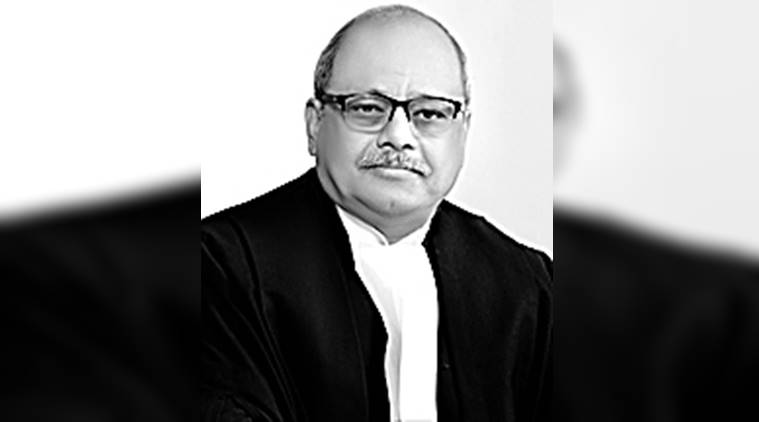
Justice Pinaki Chandra Ghose appointed India’s first Lokpal- जस्टिस पिनाकी चंद्र घोष  भारत का पहला लोकपाल नियुक्त .

Justice Pinaki Chandra Ghose appointed India’s first Lokpal- जस्टिस पिनाकी चंद्र घोष भारत का पहला लोकपाल नियुक्त .


BY SANJAY PATIL -- Agency 

NAGPUR ----Former SSB chief Archana Ramasundaram and former Maharashtra Chief Secretary Dinesh Kumar Jain have been named non-judicial members of Lokpal.

Former Supreme Court judge Justice Pinaki Chandra Ghose was on Tuesday appointed the country’s first Lokpal — the national anti-corruption ombudsman. This comes five years after the Lokpal Act received the President’s nod on January 1, 2014.


Former Sashastra Seema Bal (SSB) chief Archana Ramasundaram, ex-Maharashtra Chief Secretary Dinesh Kumar Jain, Mahender Singh and Indrajeet Prasad Gautam have been appointed as non-judicial members of Lokpal, reports PTI.
Justices Dilip B Bhosale, Pradip Kumar Mohanty, Abhilasha Kumari and Ajay Kumar Tripathi have been appointed as judicial members in the anti-corruption ombudsman.
These appointments were recommended by Prime Minister  Narendra Modi -led selection committee and approved by President Ram Nath Kovind. Opposition parties have been accusing the Modi government of delaying the appointment of Lokpal.
A high-level selection committee comprising Prime Minister Narendra Modi, Chief Justice of India RAJAN GOGAI  Lok Sabha Speaker Sumitra Mahajan and Senior Advocate Mukul Rohatgi, the panel’s “eminent jurist member”, cleared Justice Ghose’ name at its meeting Friday, official sources said Monday.
Justice Ghose was appointed judge of the Supreme Court in March 2013 and retired in May 2017. Before being appointed as Lokpal, he was a member of the National Human Rights Commission.
In February 2017, Former SC judge Justice P C Ghose all set to head India’s first Lokpal he was part of a bench along with Justice Amitava Roy that upheld the conviction and sentencing of V K Sasikala — the associate of former Tamil Nadu Chief Minister J Jayalalithaa  — in a disproportionate assets case.
The Lokpal and Lokayuktas Act, which envisaged the setting up of a Lokpal at the Centre and Lokayuktas for the states, to enquire into allegations of corruption against public functionaries was enacted in 2013 and received Presidential assent on January 1, 2014.

Explained: How Lokpal will form, function-

Chairman of national anti-corruption ombudsman selected, other members next. A look at how the rest of the Lokpal will be selected, and how it will function.

Explained: How Lokpal will form, function
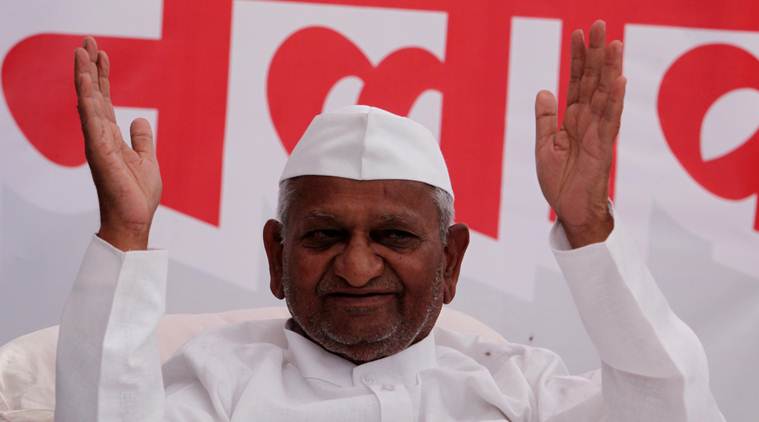
Anna Hazare celebrates in Ralegan Siddhi after Lok Sabha passed the Lokpal and Lokayuktas Bill in 2013.
On Sunday, a selection panel finalised the name of former Supreme Court judge Justice Pinaki Chandra Ghose as the first head of the Lokpal, a national anti-corruption ombudsman. This comes five years after the President had given assent to the Lokpal and Lokayuktas Act, 2013. A look at how the rest of the Lokpal will be selected, and how it will function:

Who all remain to be selected in Lokpal?


Justice Ghose was selected by committee headed by the Prime Minister. The same selection committee will choose the Lokpal’s other members. Under the 2013 Act, the Lokpal should consist of a chairperson and such number of members, not exceeding eight, of whom 50% should be judicial members. The selection procedure for these posts is the same as that for the chairperson. A search committee will prepare a panel of candidates, a selection committee will recommend names from among this panel, and the President will appoint these as members.
The Act states that not less than 50% of the members of the Lokpal should be from among persons belonging to the SCs, the STs, OBCs, minorities and women. The same rules apply members of the search committee. Salaries, allowances and service conditions of the Lokpal chairperson will be the same as those for the Chief Justice of India; those for other members will be the same as those for a judge of the Supreme Court.

What happens after these selections to anti-corruption ombudsman?

The Lokpal will set about creating its various wings. It will have an “Inquiry Wing, headed by the Director of Inquiry, for the purpose of conducting preliminary inquiry into any offence alleged to have been committed by a public servant punishable under the Prevention of Corruption Act, 1988”. It will also have a “Prosecution Wing, headed by the Director of Prosecution, for the purpose of prosecution of public servants in relation to any complaint by the Lokpal under this Act”. Once the other members of the Lokpal are appointed, the process for more appointments will start: Secretary, Director of Inquiry and Director of Prosecution and other officers and staff of the Lokpal.

What kind of public servants will come under the purview of these wings?

For a wide range of public servants — from the Prime Minister, ministers and MPs, to groups A, B, C and D employees of the central government — various rules are in place. If a complaint is filed against the Prime Minister, the Act says, “Lokpal shall inquire or cause an inquiry to be conducted into any matter involved in, or arising from, or connected with, any allegation of corruption made in a complaint”. However, certain conditions will apply.
The Act does not allow a Lokpal inquiry if the allegation against the Prime Minister relates to international relations, external and internal security, public order, atomic energy and space. Also, complaints against the Prime Minister are not to be probed unless the full Lokpal bench considers the initiation of an inquiry and at least two-thirds of the members approve it. Such an inquiry against the Prime Minister (if conducted) is to be held in camera and if the Lokpal comes to the conclusion that the complaint deserves to be dismissed, the records of the inquiry are not to be published or made available to anyone.
The Act also includes the Lokpal’s own members under the definition of “public servant”. “The Chairperson, Members, officers and other employees of the Lokpal shall be deemed, when acting or purporting to act in pursuance of any of the provisions of this Act,to be public servants… It shall apply to public servants in and outside India,” it states. It clarifies that “a complaint under this Act shall only relate to a period during which the public servant was holding or serving in that capacity.”

How is an inquiry to proceed?

The Lokpal may, after receiving a complaint against any public servant, order a preliminary inquiry (to be completed with in 90 days) or investigation by any agency. After receiving the report of the preliminary inquiry, the Lokpal may order an investigation by any agency or departmental proceedings or any other appropriate action against the concerned public servants by the competent authority, or it can order closure of the proceedings.

What are the Lokayuktas mentioned in the Act?

These are the state equivalents of the central Lokpal. “Every State shall establish a body to be known as the Lokayukta for the State, if not so established, constituted or appointed, by a law made by the State Legislature, to deal with complaints relating to corruption against certain public functionaries, within a period of one year from the date of commencement of this Act,” states Section 63 of the Lokpal and Lokayuktas Act. This means establishment of the institution of the Lokayukta including any appointment therein falls within the domain of the states.

When are the states expected to set up their respective Lokayuktas?

In some states, Lokayuktas were already functioning when the 2013 Act was passed. Most states, however, are without a Lokayukta.
Last year, the Supreme Court observed, “It appears that… Jammu & Kashmir, Manipur, Meghalaya, Mizoram, Nagaland, Puducherry, Tamil Nadu, Telangana, Tripura, West Bengal and Arunachal Pradesh have not appointed any Lokpal, Lokayukta or Up-Lokayukta.” It asked the chief secretaries of these states “whether steps have been taken for appointment of Lokayukta/ Up-Lokayukta and if so the stage thereof… The reasons for non-appointment of Lokayukta/ Up-Lokayukta… be also laid before the court.”
The Arunachal Pradesh and Mizoram Assemblies had passed Lokayukta Bills in 2014. Following the SC order, Tamil Nadu, West Bengal and Puducherry Assemblies passed their respective Bills in July last year.
संजय पाटील द्वारा -
 नागपूर ---- पूर्व SSB प्रमुख अर्चना रामासुंदरम और महाराष्ट्र के पूर्व मुख्य सचिव दिनेश कुमार जैन को लोकपाल के गैर-न्यायिक सदस्य नामित किया गया है।
सुप्रीम कोर्ट के पूर्व न्यायाधीश जस्टिस पिनाकी चंद्र घोष ने मंगलवार को देश के पहले लोकपाल - राष्ट्रीय भ्रष्टाचार निरोधक लोकपाल को नियुक्त किया। 1 जनवरी 2014 को लोकपाल अधिनियम को राष्ट्रपति की मंजूरी मिलने के पांच साल बाद यह आया है।पीटीआई की रिपोर्ट के अनुसार, पूर्व शाश्वत सीमा बाल (एसएसबी) प्रमुख अर्चना रामासुंदरम, महाराष्ट्र के पूर्व मुख्य सचिव दिनेश कुमार जैन, महेंद्र सिंह और इंद्रजीत प्रसाद गौतम को लोकपाल का गैर-न्यायिक सदस्य नियुक्त किया गया है।न्यायमूर्ति दिलीप बी भोसले, प्रदीप कुमार मोहंती, अभिलाषा कुमारी और अजय कुमार त्रिपाठी को भ्रष्टाचार विरोधी लोकपाल में न्यायिक सदस्य के रूप में नियुक्त किया गया है।इन नियुक्तियों की सिफारिश प्रधान मंत्री नरेंद्र मोदी ने की थी चयन समिति और राष्ट्रपति राम नाथ कोविंद द्वारा अनुमोदित। विपक्षी दल मोदी सरकार पर लोकपाल की नियुक्ति में देरी का आरोप लगाते रहे हैं।आधिकारिक सूत्रों ने बताया कि उच्च स्तरीय चयन समिति में प्रधान मंत्री नरेंद्र मोदी, भारत के मुख्य न्यायाधीश RAJAN GOGAI लोकसभा अध्यक्ष सुमित्रा महाजन और वरिष्ठ अधिवक्ता मुकुल रोहतगी, पैनल के "प्रख्यात न्यायवादी सदस्य", ने शुक्रवार को अपनी बैठक में जस्टिस घोष का नाम साफ़ कर दिया। 
जस्टिस घोष को मार्च 2013 में सुप्रीम कोर्ट का जज नियुक्त किया गया और मई 2017 में सेवानिवृत्त कर दिया गया। लोकपाल के रूप में नियुक्त होने से पहले, वह राष्ट्रीय मानवाधिकार आयोग के सदस्य थे।फरवरी 2017 में, पूर्व एससी जज जस्टिस पीसी घोष ने भारत के पहले लोकपाल का नेतृत्व करने के लिए पूरी तरह से तैयार हो गए, वह न्यायमूर्ति अमिताव रॉय के साथ एक पीठ का हिस्सा थे, जिन्होंने तमिलनाडु की पूर्व मुख्यमंत्री जयललिता की सहयोगी वीके शशिकला की सजा और सजा को बरकरार रखा। अनुपातहीन संपत्ति का मामला।लोकपाल और लोकायुक्त अधिनियम, जिसने केंद्र और राज्यों के लोकायुक्तों के लिए लोकपाल की स्थापना की परिकल्पना की थी, 2013 में सार्वजनिक अधिकारियों के खिलाफ भ्रष्टाचार के आरोपों की जांच करने के लिए और 1 जनवरी, 2014 को राष्ट्रपति का आश्वासन प्राप्त हुआ था।
समझाया: लोकपाल कैसे बनेगा, कार्य-
राष्ट्रीय भ्रष्टाचार विरोधी लोकपाल के अध्यक्ष का चयन, अगले सदस्यों को अन्य बाकी लोकपाल कैसे चुने जाएंगे, और यह कैसे काम करेगा, इस पर एक नज़र रविवार को, एक चयन पैनल ने सुप्रीम कोर्ट के पूर्व न्यायाधीश न्यायमूर्ति पिनाकी चंद्र घोष के नाम को लोकपाल के पहले प्रमुख के रूप में अंतिम रूप दिया, जो एक राष्ट्रीय भ्रष्टाचार विरोधी लोकपाल है। यह पांच साल बाद आता है जब राष्ट्रपति ने लोकपाल और लोकायुक्त अधिनियम, 2013 को स्वीकृति दी थी। बाकी लोकपाल कैसे चुने जाएंगे, और यह कैसे कार्य करेगा, इस पर एक नज़र:
लोकपाल में किसे चुना जाना बाकी है?
जस्टिस घोष को प्रधान मंत्री की अध्यक्षता वाली समिति द्वारा चुना गया था। वही चयन समिति लोकपाल के अन्य सदस्यों का चयन करेगी। 2013 के अधिनियम के तहत, लोकपाल में एक अध्यक्ष और ऐसे सदस्यों की संख्या शामिल होनी चाहिए, जो आठ से अधिक न हों, जिनमें से 50% न्यायिक सदस्य होने चाहिए। इन पदों के लिए चयन प्रक्रिया चेयरपर्सन के लिए समान है। एक खोज समिति उम्मीदवारों का एक पैनल तैयार करेगी, एक चयन समिति इस पैनल में से नामों की सिफारिश करेगी, और राष्ट्रपति इन्हें सदस्यों के रूप में नियुक्त करेंगे।
अधिनियम में कहा गया है कि लोकपाल के 50% से कम सदस्य SC, ST, OBC, अल्पसंख्यकों और महिलाओं से संबंधित व्यक्तियों में से नहीं होने चाहिए। समान नियम खोज समिति के सदस्यों पर लागू होते हैं। लोकपाल अध्यक्ष के वेतन, भत्ते और सेवा शर्तें भारत के मुख्य न्यायाधीश के लिए समान होंगी; अन्य सदस्यों के लिए वे सर्वोच्च न्यायालय के न्यायाधीश के लिए समान होंगे।
भ्रष्टाचार विरोधी लोकपाल के लिए इन चयनों के बाद क्या होता है?
लोकपाल अपने विभिन्न विंग बनाने के बारे में तय करेगा। भ्रष्टाचार निरोधक अधिनियम, 1988 के तहत एक लोक सेवक द्वारा दंडित किए गए किसी भी अपराध के लिए प्रारंभिक जांच करने के उद्देश्य से, यह एक "इंक्वायरी विंग, जो कि पूछताछ के निदेशक की अध्यक्षता में होगा," होगा। इस अधिनियम के तहत लोकपाल द्वारा किसी भी शिकायत के संबंध में लोकसेवकों पर मुकदमा चलाने के उद्देश्य से, अभियोजन निदेशक की अध्यक्षता में "अभियोजन विंग" भी होगा। लोकपाल के अन्य सदस्यों को नियुक्त किए जाने के बाद, अधिक नियुक्तियों के लिए प्रक्रिया शुरू होगी: सचिव, जांच निदेशक और अभियोजन निदेशक और लोकपाल के अन्य अधिकारी और कर्मचारी।
किस तरह के लोक सेवक इन पंखों के दायरे में आएंगे?
लोक सेवकों की एक विस्तृत श्रृंखला के लिए - प्रधान मंत्री, मंत्रियों और सांसदों से लेकर केंद्र सरकार के समूह A, B, C और D कर्मचारियों तक - विभिन्न नियम लागू हैं। यदि प्रधानमंत्री के खिलाफ शिकायत दर्ज की जाती है, तो अधिनियम कहता है, "लोकपाल किसी भी मामले में शामिल होने या उससे उत्पन्न होने वाले या उससे जुड़े हुए किसी भी मामले की जांच करने या किसी शिकायत में किए गए भ्रष्टाचार के आरोपों की जांच करेगा।" हालांकि, कुछ शर्तें लागू होंगी।
यदि प्रधानमंत्री के खिलाफ आरोप अंतरराष्ट्रीय संबंधों, बाहरी और आंतरिक सुरक्षा, सार्वजनिक व्यवस्था, परमाणु ऊर्जा और अंतरिक्ष से संबंधित है, तो लोकपाल जांच की अनुमति नहीं देता है। इसके अलावा, प्रधानमंत्री के खिलाफ शिकायतों की जांच तब तक नहीं की जाती है जब तक कि पूर्ण लोकपाल पीठ एक जांच शुरू नहीं करती है और कम से कम दो-तिहाई सदस्य इसे स्वीकार करते हैं। प्रधानमंत्री के खिलाफ इस तरह की जांच (अगर आयोजित की गई) कैमरे में होनी है और अगर लोकपाल इस निष्कर्ष पर पहुंचता है कि शिकायत खारिज की जानी चाहिए, तो जांच के रिकॉर्ड को प्रकाशित नहीं किया जाएगा और न ही किसी को उपलब्ध कराया जाएगा।
अधिनियम में "लोक सेवक" की परिभाषा के तहत लोकपाल के अपने सदस्य भी शामिल हैं। “लोकपाल के अध्यक्ष, सदस्य, अधिकारी और अन्य कर्मचारी इस अधिनियम के प्रावधानों में से किसी के भी पालन करने के लिए कार्य करते हुए या लोकपाल के रूप में समझा जाएगा, लोक सेवक होने के लिए… यह भारत और बाहर भारत के लोक सेवकों पर लागू होगा। " य़ह कहता है। यह स्पष्ट करता है कि "इस अधिनियम के तहत एक शिकायत केवल उस अवधि से संबंधित हो सकती है जिसके दौरान लोक सेवक उस क्षमता में था या सेवा कर रहा था।
कैसे आगे बढ़ने के लिए एक जांच है?
लोकपाल किसी भी लोक सेवक के खिलाफ शिकायत प्राप्त करने के बाद, प्रारंभिक जांच (90 दिनों में पूरी होने वाली) या किसी भी एजेंसी द्वारा जांच का आदेश दे सकता है। प्रारंभिक जांच की रिपोर्ट प्राप्त करने के बाद, लोकपाल किसी भी एजेंसी या विभागीय कार्यवाही या संबंधित लोक सेवकों के खिलाफ किसी अन्य उचित कार्रवाई के लिए सक्षम अधिकारी द्वारा जांच का आदेश दे सकता है, या यह कार्यवाही को बंद करने का आदेश दे सकता है।
अधिनियम में लोकायुक्तों का क्या उल्लेख है?
ये केंद्रीय लोकपाल के राज्य समकक्ष हैं। "प्रत्येक राज्य को राज्य के लिए लोकायुक्त के रूप में जाने जाने के लिए एक निकाय की स्थापना करनी चाहिए, यदि राज्य विधानमंडल द्वारा बनाए गए किसी कानून द्वारा, किसी सार्वजनिक पदाधिकारियों के खिलाफ भ्रष्टाचार से संबंधित शिकायतों से निपटने के लिए, इसकी स्थापना, गठन या नियुक्ति नहीं की जाती है, तो एक अवधि के भीतर। इस अधिनियम के प्रारंभ होने की तिथि से एक वर्ष, ”लोकपाल और लोकायुक्त अधिनियम की धारा 63 में वर्णित है। इसका अर्थ यह है कि लोकायुक्त की संस्था की स्थापना जिसमें कोई भी नियुक्ति शामिल है, राज्यों के क्षेत्र में आती है।राज्यों को अपने संबंधित लोकायुक्त स्थापित करने की उम्मीद कब की जाती है?2013 के अधिनियम के अनुसार, कुछ राज्यों में लोकायुक्त पहले से ही कार्यरत थे