Sunday, 26 April 2020

अनिल देशमुख :" मृत पोलिसांच्या कुटुंबीयांना प्रत्येकी ५० लाख, नोकरी" :स्वतंत्र करोना दक्षता कक्ष निर्माण : संजय पाटील

अनिल देशमुख :" मृत पोलिसांच्या कुटुंबीयांना प्रत्येकी ५० लाख, नोकरी" :स्वतंत्र करोना दक्षता कक्ष निर्माण : संजय पाटील


संजय पाटील : नागपूर: करोना विषाणूच्या संसर्गामुळं मुंबईतील दोन पोलीस कर्मचाऱ्यांचा मृत्यू झाला. ही अत्यंत दुःखद आणि दुर्दैवी घटना आहे. सरकार त्यांच्या कुटुंबीयांच्या पाठिशी ठामपणे उभं आहे. दोन्ही पोलिसांच्या कुटुंबीयांना प्रत्येकी ५० लाख रुपये मदत आणि सरकारी नोकरी, तसेच नियमानुसार मिळणारी मदत दिली जाईल, अशी घोषणा राज्याचे गृहमंत्री अनिल देशमुख यांनी केली. फेसबुकच्या माध्यमातून नागरिकांशी संवाद साधताना त्यांनी ही माहिती दिली.

करोनाच्या पार्श्वभूमीवर सुरू असलेल्या लढाईमध्ये आपले पोलीस दल अत्यंत कठीण अशा परिस्थितीत काम करत आहे. पोलिसांच्या पाठिशी सरकार ठामपणे उभे आहे, अशी ग्वाही देशमुख यांनी दिली.

स्वतंत्र करोना दक्षता कक्ष निर्माण

करोना संदर्भात प्रकृतीची कोणतीही तक्रार असलेल्या पोलिसाला वा अधिकाऱ्याला तातडीने उपचार मिळावेत याकरिता एक स्वतंत्र करोना दक्षता कक्ष निर्माण करण्यात आला आहे. मुंबईसाठी सहपोलीस आयुक्त नवल बजाज तर, महाराष्ट्रासाठी अतिरिक्त महासंचालक संजीव सिंघल यांची नोडल अधिकारी म्हणून नेमणूक करण्यात येत आहे. जिल्हा स्तरावर देखील संबंधित पोलीस आयुक्त व जिल्हा पोलीस अधीक्षक हे अशा प्रकारचे कक्ष निर्माण करतील. तसेच मुंबईमध्ये दोन हॉस्पिटल हे पोलिसांसाठी राखीव ठेवण्यात येतील, अशी माहिती गृहमंत्र्यांनी दिली.
गरजू लोकांना मदत करण्यासाठी विविध संस्था, व्यक्ती पुढे : संजय पाटील

गरजू लोकांना मदत करण्यासाठी विविध संस्था, व्यक्ती पुढे : संजय पाटील

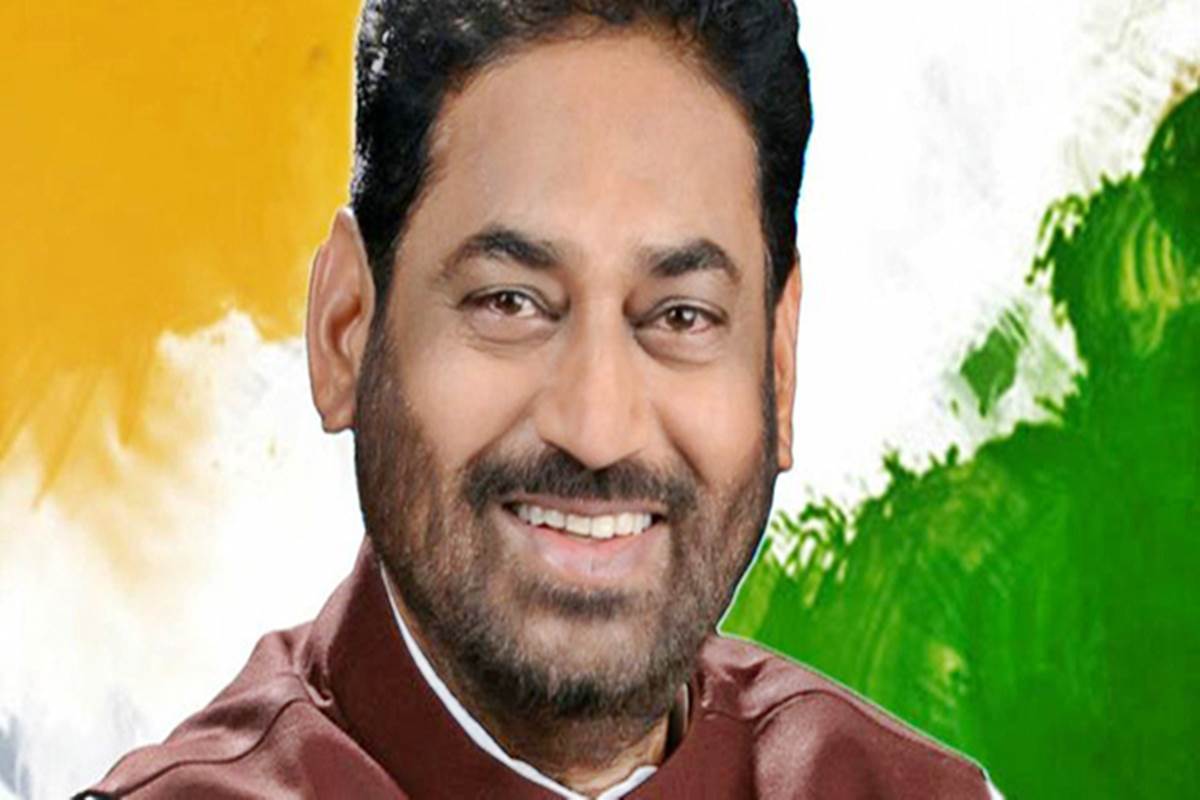
Dr Nitin Raut appointed as Nagpur's new Guardian Minister - The ...

संजय पाटील : नागपूर : कोविड -19  या संकटाच्या अभूतपूर्व परिस्थितीत गरजू लोकांना मदत म्हणून विविध संस्था व व्यक्ती त्यांची सेवा करत आहेत. सुमतीबाई पांडुरंग देव मेमोरियल चॅरिटेबल ट्रस्ट पोलीस स्टेशनमधील मानवी रहदारी व कर्मचार्‍यांच्या हालचाली लक्षात घेऊन सुमातीबाई पांडुरंग देव मेमोरियल चॅरिटेबल ट्रस्टने धनटोली पोलिस स्टेशनच्या पोलिस कर्मचा to्यांना नुकतीच सॅनिटायझिंग स्प्रे मशीन आणि  फेस मास्क दान केले आहेत.
या कोविड -19 च्या उद्रेक दरम्यान मशीन दररोज परिसर स्वच्छ करण्यासाठी वापरली जाऊ शकते. मोहन पांडे यांनी पोलिस निरीक्षक लांडगे यांच्याकडे सोपविले. कार्यक्रमास धंतोली व कॉंग्रेस नगर नागरीक मंडळाचे अध्यक्ष स्वानंद सोनी उपस्थित होते. सांज सोमकुंवर संज सोमकुंवर या दहा वर्षांच्या मुलीने शनिवारी कोविड - 19  विरूद्ध लढा देण्यासाठी मुख्यमंत्री बचत निधीला आपल्या बचतीतून १०,००० रुपये दान दिले. शनिवारी शनिवारी तिचा दहावा वाढदिवस होता आणि प्राणघातक कोविड - 19 विरूद्ध लढा देण्यासाठी तिने आपल्या बचतीचा आधार म्हणून हा उत्सव साजरा केला. संज  सोमकुंवर यांनी विभागीय आयुक्त डॉ संजीव कुमार यांच्या उपस्थितीत पालकमंत्री डॉ नितीन राऊत यांच्याकडे ‘पिगी बँक’ सुपूर्द केली.
लायन्स क्लब ऑफ नागपूर प्राइड लायन्स क्लब ऑफ नागपूर प्राइडच्या वतीने या कुलूपबंदीच्या वेळी शहरातील विविध ठिकाणी तैनात असलेल्या पोलिस कर्मचा to्यांना नाश्ता व चहा वाटप करण्यात आला. त्यांनी खामला, ऑरेंज सिटी स्क्वेअर, लक्ष्मी नगर, शंकर नगर, वेरायटी स्क्वेअर, कॉटन मार्केट स्क्वेअर, बैद्यनाथ स्क्वेअर, पारडी स्क्वेअर, दिघोरी स्क्वेअर, हुडकेश्वर स्क्वेअर, मानेवाडा स्क्वेअर, नरेंद्र नगर, छत्रपती स्क्वेअर, रेडिसन ब्लू स्क्वेअर, सोमालवाडा स्क्वेअर येथे वितरण केले आहे. , विमानतळ स्क्वेअर आणि चिंचभुवन. त्यांनी 60 पेक्षा जास्त पोलिस सेवा दिली आहे.

Saturday, 25 April 2020

Jack Ma:"One world, one fight!" The billionaire trying to stop coronavirus for  China's reputation : Sanjay Patil

Jack Ma:"One world, one fight!" The billionaire trying to stop coronavirus for China's reputation : Sanjay Patil

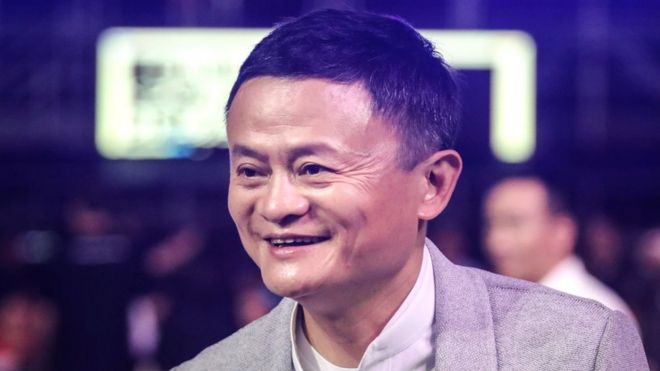
Co-founder of Alibaba Group Jack Ma .

Sanjay Patil : BBC : The richest man in China opened his own Twitter account last month, in the middle of the Covid-19 outbreak. So far, every one of his posts has been devoted to his unrivalled campaign to deliver medical supplies to almost every country around the world.
"One world, one fight!" Jack Ma enthused in one of his first messages. "Together, we can do this!" he cheered in another.
The billionaire entrepreneur is the driving force behind a widespread operation to ship medical supplies to more than 150 countries so far, sending face masks and ventilators to many places that have been elbowed out of the global brawl over life-saving equipment.
But Ma's critics and even some of his supporters aren't sure what he's getting himself into. Has this bold venture into global philanthropy unveiled him as the friendly face of China's Communist Party? Or is he an independent player who is being used by the Party for propaganda purposes? He appears to be following China's diplomatic rules, particularly when choosing which countries should benefit from his donations, but his growing clout might put him in the crosshairs of the jealous leaders at the top of China's political pyramid.
Other tech billionaires have pledged more money to fight the effects of the virus - Twitter's Jack Dorsey is giving $1bn (£0.8bn) to the cause. Candid, a US-based philanthropy watchdog that tracks private charitable donations, puts Alibaba 12th on a list of private Covid-19 donors. But that list doesn't include shipments of vital supplies, which some countries might consider to be more important than money at this stage in the global outbrea.
No one else other than the effervescent Ma is capable of dispatching supplies directly to those who need them. Starting in March, the Jack Ma foundation and the related Alibaba foundation began airlifting supplies to Africa, Asia, Europe, Latin America and even to politically sensitive areas including Iran, Israel, Russia and the US.
Ma has also donated millions to coronavirus vaccine research and a handbook of medical expertise from doctors in his native Zhejiang province has been translated from Chinese into 16 languages. But it's the medical shipments that have been making headlines, setting Ma apart.
"He has the ability and the money and the lifting power to get a Chinese supply plane out of Hangzhou to land in Addis Ababa, or wherever it needs to go," explains Ma's biographer, Duncan Clark. "This is logistics; this is what his company, his people and his province are all about."

A friendly face

Jack Ma is famous for being the charismatic English teacher who went on to create China's biggest technology company. Alibaba is now known was the "Amazon of the East". Ma started the company inside his tiny apartment in the Chinese coastal city of Hangzhou, in the centre of China's factory belt, back in 1999. Alibaba has since grown to become one of the dominant players in the world's second largest economy, with key stakes in China's online, banking and entertainment worlds. Ma himself is worth more than $40bn.
Officially, he stepped down as Alibaba's chairman in 2018. He said he was going to focus on philanthropy. But Ma retained a permanent seat on Alibaba's board. Coupled with his wealth and fame, he remains one of the most powerful men in China.
It appears that Ma's donations are following Party guidelines: there is no evidence that any of the Jack Ma and Alibaba Foundation donations have gone to countries that have formal ties with Taiwan, China's neighbour and diplomatic rival. Ma announced on Twitter that he was donating to 22 countries in Latin America. States that side with Taiwan but who have also called for medical supplies - from Honduras to Haiti - are among the few dozen countries that do not appear to be on the list of 150 countries. The foundations repeatedly refused to provide a detailed list of countries that have received donations, explaining that "at this moment in time, we are not sharing this level of detail".
However, the donations that have been delivered have certainly generated a lot of goodwill. With the exception of problematic deliveries to Cuba and Eritrea, all of the foundations' shipments dispatched from China appear to have been gratefully received. That success is giving Ma even more positive attention than usual. China's state media has been mentioning Ma almost as often as the country's autocratic leader, Xi Jinping.
It's an uncomfortable comparison. As Ma soaks up praise, Xi faces persistent questions about how he handled the early stages of the virus and where, exactly, the outbreak began.
The Chinese government has dispatched medical teams and donations of supplies to a large number of hard-hit countries, particularly in Europe and South-East Asia. However, those efforts have sometimes fallen flat. China's been accused of sending faulty supplies to several countries. In some cases, the tests it sent were being misused but in others, low-quality supplies went unused and the donations backfired.
In contrast, Jack Ma's shipments have only boosted his reputation.
"It's fair to say that Ma's donation was universally celebrated across Africa," says Eric Olander, managing editor of the China Africa Project website and podcast. Ma pledged to visit all countries in Africa and has been a frequent visitor since his retirement.
"What happens to the materials once they land in a country is up to the host government, so any complaints about how Nigeria's materials were distributed are indeed a domestic Nigerian issue," Olander adds. "But with respect to the donation itself, the Rwandan leader, Paul Kagame, called it a "shot in the arm" and pretty much everyone saw it for what it was which was: delivering badly-needed materials to a region of the world that nobody else is either willing or capable of helping at that scale."

Walking the tightrope

But is Ma risking a backlash from Beijing? Xi Jinping isn't known as someone who likes to share the spotlight and his government has certainly targeted famous faces before. In recent years, the country's top actress, a celebrated news anchor and several other billionaire entrepreneurs have all "disappeared" for long periods. Some, including the news anchor, end up serving prison sentences. Others re-emerge from detention, chastened and pledging their allegiance to the Party.
"There's a rumour that [Jack Ma] stepped down in 2018 from being the chairman of the Alibaba Group because he was seen as a homegrown entrepreneur whose popularity would eclipse that of the Communist Party," explains Ashley Feng, research associate at the Centre for New American Security in Washington DC. Indeed, Ma surprised many when he suddenly announced his retirement in 2018. He has denied persistent rumours that Beijing forced him out of his position.
Duncan Clark, Ma's biographer, is also aware of reports that Ma was nudged away from Alibaba following a key incident in January 2017. The Chinese billionaire met with then-President-elect Donald Trump in Trump Tower, ostensibly to discuss Sino-US trade. The Chinese president didn't meet with Trump until months later.
"There was a lot of speculation of time that Jack Ma had moved too fast," Clark says. "So, I think there's lessons learned from both sides on the need to try to coordinate."
"Jack Ma represents a sort of entrepreneurial soft power," Clark adds. "That also creates challenges though, because the government is quite jealous or nervous of non-Party actors taking that kind of role."
Technically, Ma isn't a Communist outsider: China's wealthiest capitalist has actually been a member of the Communist Party since the 1980s, when he was a university student.
But Ma's always had a tricky relationship with the Party, famously saying that Alibaba's attitude towards the Party was to "be in love with it but not to marry it".
Even if Ma and the foundations connected to him are making decisions without Beijing's advance blessing, the Chinese government has certainly done what it can to capitalise on Ma's generosity. Chinese ambassadors are frequently on hand at airport ceremonies to receive the medical supplies shipped over by Ma, from Sierra Leone to Cambodia.
China has also used Ma's largesse in its critiques of the United States. "The State Department said Taiwan is a true friend as it donated 2 million masks," the Chinese Foreign Ministry tweeted in early April. "Wonder if @StateDept has any comment on Jack Ma's donation of 1 million masks and 500k testing kits as well as Chinese companies' and provinces' assistance?"
Perhaps Ma can rise above what's happened to so many others who ran afoul of the Party. China might just need a popular global Chinese figure so much that Ma has done what no one else can: make himself indispensable.
"Here's the one key takeaway from all that happened with Jack Ma and Africa: he said he would do something and it got done," explains Eric Olander. "That is an incredibly powerful optic in a place where foreigners often come, make big promises and often fail to deliver. So, the huge Covid-19 donation that he did fit within that pattern. He said he would do it and mere weeks later, those masks were in the hands of healthcare workers."
Duncan Clark argues that Ma already had a seat at China's high table because of Alibaba's economic heft. However, his first-name familiarity with world leaders makes him even more valuable to Beijing as China tries to repair its battered image.
"He has demonstrated the ability, with multiple IPOs under his belt, and multiple friendships overseas, to win friends and influence people. He's the Dale Carnegie of China and that certainly, we've seen that that's irritated some in the Chinese government but now it's almost an all hands on deck situation," Clark says.
There's no doubt that China's wider reputation is benefiting from the charitable work of Ma and other wealthy Chinese entrepreneurs. Andrew Grabois from Candid, the philanthropic watchdog that's been measuring global donations in relation to Covid-19, says that the private donations coming from China are impossible to ignore.
"They're taking a leadership role, the kind of thing they used to be done by the United States," he says. "The most obvious past example is the response to Ebola, the Ebola outbreak in 2014. The US sent in doctors and everything to West Africa to help contain that virus before it left West Africa."
Chinese donors are taking on that role with this virus.
"They are projecting soft power beyond their borders, going into areas, providing aid, monetary aid and expertise," Grabois adds.
So, it's not the right time for Beijing to stand in Jack Ma's way.
"You know, this is a major crisis for the world right now," Duncan Clark concludes. "But obviously, it's also a crisis for China's relationship with the rest of the world. So they need anybody who can help dampen down some of these those pressures."

मुलांच्या ‘पब जी’ वेडामुळे कुटुंबीयांना मन:स्ताप! - Families upset over children's 'Pub G' craze! : Sanjay Patil

मुलांच्या ‘पब जी’ वेडामुळे कुटुंबीयांना मन:स्ताप! - Families upset over children's 'Pub G' craze! : Sanjay Patil

सरकारकडून गेमबंदीसाठी प्रयत्न नाही

संजय पाटील : नागपूर : टाळेबंदीमुळे लोकांना घराबाहेर पडता येत नाही. शाळा व महाविद्यालयांनाही सुटी जाहीर झाल्याने मुलं घरीच असून दिवसभर मोबाईलवर ‘पब जी’ खेळत असल्याचे चित्र सर्वव्यापी आहे. ‘पब जी’ खेळण्यापासून मुलांना अडवल्यास मुले आई-वडील व पाल्यांवरच चिडचीड करीत असल्याचे धक्कादायक प्रकार समोर येत आहे.
तरुणाई व अल्पवयीन मुलांमध्ये ऑनलाईन गेमचे प्रचंड वेड आहे. ऑनलाईन गेमसाठी अनेकांनी आत्महत्या केल्या असून उपराजधानीतही अशा अनेक घटना यापूर्वी घडल्या आहेत. पब जी गेमसाठी एका बारावीच्या मुलीने गळफास घेऊन आत्महत्या केल्याचा एक गुन्हा बेलतरोडी पोलीस ठाण्यात काही महिन्यांपूर्वी दाखल करण्यात आला होता.
करोनाचा प्रादुर्भाव रोखण्यासाठी सरकारने राज्यात संचारबंदी व टाळेबंदी लागू केली आहे. या काळात शाळा व महाविद्यालयांना अनिश्चित काळासाठी सुटी जाहीर करण्यात आली. यामुळे शाळकरी मुले व महाविद्यालयीन तरुणाईसाठी ‘पब जी’ खेळण्यासाठी जणू लॉटरीच लागली आहे. सध्या दिवसरात्र मुले व मुली मोबाईलमध्ये ‘पब जी’ खेळत असतात. आई-वडिलांनी काही सांगितल्यास ऐकत नाहीत, आजी आजोबांवर चिडचिड करतात. ही परिस्थितीच जवळपास सर्वच घरांमध्ये बघावयास मिळत आहे.आमच्या शेजारच्या एकाने सांगितले की  पब जी खेळण्यासाठी त्याचा भाऊ वेडा झाला आहे.आणखी एक म्हणाला, आपला मुलगा संपूर्ण रात्री जोरात आवाज देत आहे,  या परिस्थितीचा सामना कसा करावा, असा प्रश्न लोकांना भेडसावत आहे. आपल्या नातवाचा अनुभव सांगताना एका वृद्ध व्यावसायिकाने ‘पब जी’ या गेमवर सरकारने बंदी आणावी, अशी मागणी  केली. हे गेम बंद करावेत अशी  मागणी करणारे लोक पब जी गेम धारकांवर, त्यांच्यावर गुन्हा दाखल करा, अशी मागणी पैंट्सनी केली.यासंदर्भात गृहमंत्री अनिल देशमुख यांच्याशी संपर्क साधला असता त्यांच्या स्वीय सहाय्यकांनी त्यांना संदेश पोहोचवून माहिती कळवतो, अशी प्रतिक्रिया दिली.
Could Hunger Kill More People Than Coronavirus : Sanjay Patil

Could Hunger Kill More People Than Coronavirus : Sanjay Patil

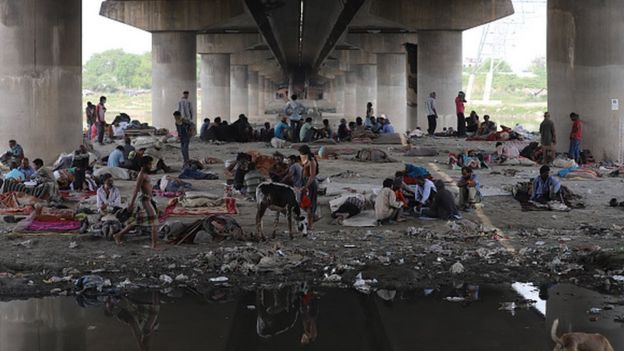
Several hundred migrants were rescued from under a bridge along the Yamuna river in Delhi

Sanjay Patil : BBC : Last week, hours after Indian Prime Minister Narendra Modi extended a nationwide lockdown to contain the spread of the coronavirus, thousands of migrant workers gathered near a railway station in Mumbai city.
There had been rumours of train services restarting, and the workers had gathered defying rules of social distancing, putting themselves and others at risk. They demanded that authorities arrange transport to send them back to their hometowns and villages so they could be with their families. The police, instead, used sticks to disperse them. Around the same time, in the western state of Gujarat, hundreds of textile workers protested in Surat city, demanding passage home.
And a day later, there was outrage in the capital, Delhi, when several hundred migrants were discovered living under a bridge along the Yamuna river. The river here resembles a sewer and the bank is strewn with rubbish.The men were unwashed and said they had not eaten in three days, since the government shelter they lived in was burned down. They have now been moved to new shelters. The incidents have shone a spotlight the plight of millions of poor Indians who migrate from villages to cities in search of livelihood - and how the lockdown has left them stranded far away from home, with no jobs or money.
The problem of migrant workers may not be entirely unique to India, but the sheer scale - there are more than 40 million migrant labourers across the country - makes it difficult to provide relief to everyone.Most move from villages to work in the cities as domestic helpers, drivers and gardeners, or as daily-wagers on construction sites, building malls, flyovers and homes, or as street vendors. One critic said the mismanagement of the migrant crisis and the treatment of its poorest citizens during the pandemic could be India's shame.
Whether living in shelters, sleeping on footpaths or under flyovers, the migrants are restless and are waiting for restrictions to be eased so they can go home. A few days back, I visited one shelter in east Delhi, located in a school building, run by the city government. It's home to 380 migrants and I spoke to dozens of men and women there and the one question they all want answered is: "When can I go home?" Among them is Manoj Ahirwal, who's been at the shelter with his relatives since 29 March.
"The police told us they'll help us reach home, but they brought us here instead. They tricked us," he says, dejectedly. The 25-year-old had arrived in Delhi from Simariya, his village 650km (400 miles) away, last month. The winter crop was coming up well, but there was still a month to go before harvesting.
So, he came to Delhi and joined his mother Kalibai Ahirwal and 21 other relatives on a construction site. He had worked for just three days when India first announced the initial 21-day lockdown on 25 March. With their livelihood grinding to a halt and meagre savings running out fast, they decided to return to their village.But with train and bus services halted and state borders sealed, that wasn't really an option.
On 28 March, they heard the government was arranging buses to transport those stranded on the state border and set off for the Anand Vihar bus station. But by then, the buses had left and there were thousands like them still stranded. In desperation, they decided to walk home."We bought 10kg (22lbs) wheat flour, some potatoes and tomatoes. We thought we'd stop by the roadside every night and cook," Kalibai Ahirwal told me when I met her at the shelter. At this three-storey school, iron cots or mattresses have replaced desks and benches in classrooms and the authorities are providing three cooked meals every day. There's milk for children and occasional fruit for pregnant women.
The Ahirwals say they are grateful for the facilities, but are desperate to leave. The wheat crop in their village is ready to be harvested and Manoj Ahirwal says his father and elder brother, who are back home, can't manage on their own."This is the time we grow food for the whole year. The government will feed us for two-three months, but what will happen after that?" asks Kalibai Ahirwal.
Mr Modi announced the lockdown with barely four hours' notice. The decision unleashed chaos that India is still struggling to deal with.Within hours of his announcement, millions of migrants began fleeing the cities, the key highways filled with men, women and children, carrying their belongings, trying to walk home, sometimes hundreds of miles away. Several people died in the process.The authorities say the lockdown is key to saving lives, but the lack of planning has hit the country's poorest and most vulnerable citizens hard. In the absence of work, many migrant workers are now dependent on food handouts from governments or charities for survival- some reduced to begging. And as I write this story, reports are coming in about a 12-year-old girl who died after walking 150km from the southern state of Telangana to Chhattisgarh state in central India. She had walked for three days when she died, 14km from home.
"This lockdown is totally inhuman," lawyer-activist Prashant Bhushan, who has filed a petition in the Supreme Court asking for migrants to be allowed to return home, told the BBC. "Those who test negative for Covid-19 must not be forcibly kept in shelters or away from their homes and families against their wishes. The government should allow for their safe travel to their hometowns and villages and provide necessary transportation for the same," the petition says. If it goes through, it would help the Ahirwals and all the others being held at the Delhi government shelter.
"Since 29 March when the shelter was set up, all the 380 people have been checked every morning by health staff for fever and there hasn't been even one positive case," health official Neelam Chaudhary told me.

करोनाने वाचू, पण भुकेने मरू

संजय पाटील : नागपूर : लॉकडाउनपूर्वी आयुक्त तुकाराम मुंढे यांनी शहरातील बंद कामे सुरू करण्यास सांगितले होते. त्यानुसार मनपातील अभियंत्यांनी काही कंत्राटदारांना कामे सुरू करण्यास सांगितले. त्याससाठी मुदतही दिली. अनेक कंत्राटदारांनी उसणे पैसे घेत कामे सुरू केली. आता कोट्यावधींची बिले थकल्याने कंत्राटदारांपुढे पेच निर्माण झाला आहे. उधारी चुकती करण्यासाठी पैसे नसल्याने इतरांकडे हात पसरण्याची वेळ त्यांच्यावर आली आहे. परिणामी एका कंत्राटदाराने 'करोनाने वाचू, पण उधारी व भुकेने मरू' असा संताप व्यक्त करणारे पत्र मनपा आयुक्तांना लिहिले आहे.
मनपाने १५७ कोटींच्या कामाचे कार्यादेश काढले होते. त्यानुसार ही कामे सुरू आहेत. मध्यंतरी आयुक्तांनी काही कामे थांबविली. त्यानंतर काही कामे सुरू झालीत. यात रस्त्यांच्या कामांचा समावेश होता. कंत्राटदार नागसेन हिरेखन यांनीही द्वारकापुरी येथे सिमेंट रस्त्याचे काम केले. त्यांनी ८० टक्के काम केले. ६० टक्के कामाचे बिल टाकले. लॉकडाउनपूर्वीच त्यांनी हे बिल मंजुरीसाठी टाकले होते. काम कालावधीपूर्वी करावे असे म्हटल्यानंतर त्यांनी या कामासाठी उधारीही घेतली. हिरेखन यांच्याप्रमाणे काही कंत्राटदारांनी घरातील दागिनेही गहाण ठेवत ४० लाखांपर्यंतची कामे केली. मात्र मनपाच्या लेखा अधिकाऱ्यांकडे असलेल्या ८ ते १० कोटींच्या बिलांवर निर्णय झालेला नाही. कंत्राटदारांनी मनपा कार्यालयात चकरा मारल्यानंतरही प्रतिसाद मिळत नाही. ज्या शिर्षकात कामे केली, त्यात आता निधी नाही, असे सांगितले जात आहे. कामे करवून घेणारे कनिष्ठ अभियंता, उपअभियंता व कार्यकारी अभियंता यांच्यावर आयुक्तांनी कारवाई करणे अपेक्षित आहे. मात्र तसे होत नसल्याने कंत्राटदाराने आयुक्तांकडे थेट पत्र लिहिले आहे. अप्पर आयुक्त राम जोशी यांच्याकडे कंत्राटदार नागसेन हिरेखन यांनी हे पत्र दिले आहे.

Friday, 24 April 2020

भारत में सर्वाधिक जनसंख्या वाले महानगर : संजय पाटील

भारत में सर्वाधिक जनसंख्या वाले महानगर : संजय पाटील

 1. मुंबई(महाराष्ट्र) | भारत में सर्वाधिक जनसंख्या वाले 10 महानगर | Brain Berries

संजय पाटील : नागपूर: भारत विश्व के उन देशों में से है जिसकी जनसंख्या में तेजी से बढ़ोत्तरी हो रही है। 1951 में भारत की जनसंख्या 36.11 करोड़ थी, जो 1991 में बढ़कर 84.63 करोड़ हो गई थी और आज लगभग सवा अरब है। जनसंख्या वृद्धि के कारण रोजगार की तलाश में ग्रामीण बड़े शहरों की ओर पलायन कर रहे हैं, जिनसे इन शहरों की जनसंख्या बढ़ गई है। आइए हम देखते हैं कि भारत की अधिकतम जनसंख्या वाले 10 शहर कौन से हैं-

1. मुंबई(महाराष्ट्र)

सपनों का शहर मुंबई, जो कि महाराष्ट्र की राजधानी है। यह भारत के पश्चिमी भाग में कोंकण के तटीय क्षेत्र में है। इस शहर का क्षेत्रफल 603 किमी है। यह चलचित्र तथा दूरदर्शन उद्योग और व्यावसायिक अवसरों के कारण संपूर्ण भारत के लोगों को आकर्षित करता है। इसकी अनुमानित जनसंख्या इस समय 18.4 करोड़ है। यह भारत की सर्वाधिक जनसंख्या वाला शहर है।

2. दिल्ली

भारत की राजधानी दिल्ली जिससे सभी परिचित हैं। दिल्ली एक केंद्र शासित प्रदेश है। इसका विस्तार लगभग 1483 वर्ग किलोमीटर है। सर्वाधिक जनसंख्या की दृष्टि से यह भारत का दूसरा महानगर है। यहाँ स्थित शैक्षिक संस्थानों में प्रवेश के लिए भारत के कोने-कोने से विद्यार्थी आते हैं। यहाँ अनेक उच्च श्रेणी के काॅलेज तथा शोध संस्थान हैं, साथ ही व्यावसायिक अवसरों की भी प्रचुरता है। वर्तमान समय में इसकी अनुमानित जनसंख्या 16.3 करोड़ है।

3. बंगलौर(कर्नाटक)

दक्षिण भारत में लगभग 900 मीटर की ऊँचाई पर स्थित इस महानगर में संपूर्ण वर्ष सुहावना मौसम रहता है। यह कर्नाटक की राजधानी है। भारत की बड़ी-बड़ी साॅफ्टवेयर कंपनियों का कार्यालय यहाँ होने से इसे भारत के प्रमुख प्रौद्योगिक महानगरों में गिना जाता है। वर्तमान समय में इसकी जनसंख्या लगभग 8.44 करोड़ है।

4. हैदराबाद(तेलंगाना)

‘निजाम का शहर’ तथा ‘मोतियों के शहर’ के नाम से प्रसिद्ध हैदराबाद तेलंगाना की राजधानी है। यह शहर यहाँ बसी फिल्म सिटी, नवाबी स्वाद के भोजन और मोतियों के लिए प्रसिद्ध है। सूचना प्रौद्योगिकी के क्षेत्र में यह अग्रणी है। यह औषधीय उद्योगों का भी केन्द्र है। यह देश का चैथा सर्वाधिक जनसंख्या का शहर है। यहाँ की अनुमानित जनसंख्या 6.73 करोड़ है।

5. अहमदाबाद(गुजरात)

गुजरात की पूर्व राजधानी अहमदाबाद गुजरात का सबसे बड़ा शहर है। इसका प्राचीन नाम कर्णावती है। यह शहर समुद्र तल से 174 फुट ऊँचा है। यह भारत का पाँचवा सर्वाधिक जनसंख्या वाला शहर है। इसकी अनुमानित जनसंख्या 5.57 करोड़ है।

6. चेन्नई(तमिलनाडु)

छठे पायदान पर भारत की सर्वाधिक जनसंख्या वाला शहर चेन्नई है। तमिलनाडु की राजधानी होने के साथ-साथ यह भारत का एक बड़ा सांस्कृतिक, शैक्षिक और आर्थिक केन्द्र है। इस समय इसकी अनुमानित जनसंख्या 4.64 करोड़ है।

7. कोलकता(पश्चिमबंगाल)

बंगाल की खाड़ी और हुगली नदी के किनारे स्थित कोलकता पश्चिम बंगाल की राजधानी है। यह ’महलों का शहर’ और ’सिटी आॅफ जाॅय’ के नाम से भी जाना जाता है। यहाँ अनेक उद्योग हैं। साथ ही यह भारत का प्रमुख वाणिज्य केन्द्र है। वर्तमान समय में इसकी अनुमानित जनसंख्या 4.46 करोड़ है।

8. सूरत(गुजरात)

गुजरात का प्रमुख शहर सूरत कपड़ा उद्योग और हीरे की कटिंग और पाॅलिश के लिए प्रसिद्ध है। भारत के विभिन्न हिस्सों से रोजगार के लिए आए लोगों की वजह से इसे ’लघु भारत’ के नाम से भी जाना जाता है। इसकी अनुमानित जनसंख्या 4.46 करोड़ है।

9. पुणे(महाराष्ट्र)

मूला व मूठा नामक नदियों के किनारे बसा पुणे महाराष्ट्र का एक प्रमुख शहर है। इसका क्षेत्रफल 331.26 वर्ग किलोमीटर है। इसे ‘पूरब के आॅक्सफोर्ड’ के नाम से जाना जाता है। सुख-सुविधा और विकास की दृष्टि में यह मुंबई के बाद दूसरे स्थान पर है। इसकी जनसंख्या लगभग 3.12 करोड़ है।

10. जयपुर(राजस्थान)

राजस्थान की राजधानी जयपुर किसी समय रजवाडों की राजधानी था। इसे गुलाबी नगर के नाम से भी जाना जाता है। यह शहर दर्शनीय स्थलों के लिए प्रसिद्ध है। सर्वाधिक जनसंख्या वाले शहरों में यह दसवें स्थान पर है। इसकी अनुमानित जनसंख्या 3.1 करोड़ है।

How has coronavirus helped the environment ? Will Covid-19 have a lasting impact on the environment? Sanjay Patil

How has coronavirus helped the environment ? Will Covid-19 have a lasting impact on the environment? Sanjay Patil


Sanjay Patil : AGENCY  : We know that carbon emissions have sharply fallen during lockdown. But will all these changes actually be good for the environment in the long run?

There’s clear water in the Venice canals, blue skies over Delhi and wild animals are roaming boldly in locked-down cities. The oil industry and airlines are floundering in this new world, and carbon emissions are falling fast.
But there are also mountains of food going to waste that our supply chains aren’t set up to deal with. And, what’s more, the radical changes to daily life that we’re seeing now are not – thankfully – going to be permanent.
History tells us that when emissions have fallen sharply in the past, as they do after recessions, there’s often a rocketing rebound that wipes out any short-term cut in emissions. 
Is this pandemic any different?
Future Planet talks  about the close ties between lockdown and carbon emissions. In a nutshell: we could see long-lasting positive environmental change after the pandemic. But it’s all down to how we move on after lockdown.
As an award-winning science site, Future is committed to bringing you evidence-based analysis and myth-busting stories around the new coronavirus. You can read more of our Covid-19 coverage here.